Showing the single result
Showing the single result
Who Are the Apurinã?
The Apurinã people are an indigenous tribe inhabiting the Purus River region in the Brazilian Amazon, primarily in Acre and southern Amazonas. Their language belongs to the Aruak (Arawak) linguistic family, sharing similarities with the Manchineri language of the Upper Purus basin.
The Apurinã tribe has a profound cosmological and ritualistic heritage that has endured despite significant historical challenges. During the brutal rubber boom of the late 19th and early 20th centuries, the Apurinã suffered violence and displacement as their territories were invaded. This period profoundly impacted their population and traditional way of life.
Today, the Apurinã continue fighting for recognition and protection of their ancestral lands, threatened by illegal logging, land encroachment, and environmental degradation. Their resilience in maintaining cultural traditions, including their sacred rapé practices, reflects their deep commitment to preserving their identity and connection to the forest.

Apurinã Rapé Tradition
Apurinã rapé represents a distinctive approach within Amazonian sacred snuff traditions. While many indigenous tribes create rapé using mapacho tobacco (Nicotiana rustica) combined with sacred plant ashes, the Apurinã developed a unique tobacco-free blend using the Awiry plant.
This Apurinã rapé tradition reflects the Apurinã’s deep botanical knowledge and their relationship with the specific plants of the Purus River region. The preparation involves harvesting Awiry leaves, drying them while they retain their natural green color, and processing them into fine powder. This method differs from fermentation processes used in some other rapé traditions.
Traditionally, the Apurinã tribe administers their rapé through bone or bamboo tubes in a method similar to Yopo practices. This application technique, where one person blows the snuff forcefully into another’s nostrils, creates a ceremonial exchange and intensifies the rapé’s effects.
In Apurinã cosmology, rapé serves as a tool for spiritual communication, protection, and well-being. Practitioners use Apurinã rapé to facilitate contact with the spirit world, seek ancestral guidance, and create energetic protection for their community. The practice is embedded in broader ceremonial contexts including healing rituals, rites of passage, and communal gatherings.
For more comprehensive information on Amazonian rapé traditions, visit our guide: What is Rapé?

What Makes Apurinã Rapé Unique
Apurinã rapé stands apart from other tribal blends in several distinctive ways:
Tobacco-free composition: Unlike most Amazonian rapé, which uses Nicotiana rustica, Apurinã hapé is crafted from the Awiry plant. This makes it unique within the broader rapé tradition and offers an alternative for those seeking tobacco-free sacred snuff experiences.
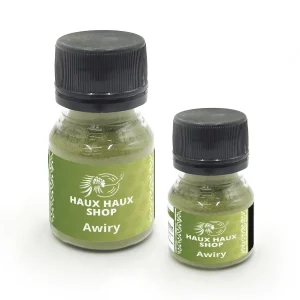
Raw, unfermented preparation: The Awiry leaves are dried in their natural state without fermentation. This preserves the plant’s inherent properties and results in rapé that retains a natural green color, a visual marker of its distinct preparation method.
Gentle nature: Many practitioners describe Apurinã rapé as gentler than tobacco-based blends, making it particularly accessible for those new to rapé practices or seeking a milder ceremonial experience.
Purus River botanical wisdom: The use of Awiry reflects the Apurinã’s intimate knowledge of their regional ecosystem. This plant carries the energetic signature of the Purus River basin and the Apurinã’s relationship with that land.
Cultural specificity: Apurina rapé carries the distinct spiritual and cultural imprint of the Apurinã people: their cosmology, historical resilience, and ongoing connection to ancestral practices.
Sourcing and authenticity: Our Apurinã rapé comes directly from Apurinã communities, ensuring traditional preparation methods and fair compensation. Each purchase supports the Apurinã tribe’s efforts to maintain their cultural practices and protect their ancestral territories.
How to Choose a Rapé Blend
When selecting from our Apurinã hapé offerings and broader rapé collection, consider these factors:
Experience level: Apurinã rapé is often recommended for beginners due to its gentler, tobacco-free nature. If you’re new to sacred snuff practices, Apurinã rapé provides an accessible introduction while offering authentic ceremonial medicine.
Intention: Choose Apurinã rapé when your intention involves gentle spiritual exploration, energetic protection, or connecting with the unique wisdom of the Apurinã tradition.
Tobacco preferences: If you’re sensitive to tobacco or prefer tobacco-free plant medicines, Apurinã rapé offers a rare, authentic alternative within traditional Amazonian practices.
Aroma and experience: Apurinã hapé has a distinct plant-forward aroma that differs from tobacco-based blends. The experience is described as grounding yet gentle, offering clarity without intensity.
Cultural connection: Choosing Apurinã rapé directly contributes to the Apurinã people’s land rights, cultural preservation, and community wellbeing through fair trade practices.
Tools to Use With Rapé
All rapé, including Apurinã rapé, requires proper applicator tools:
Kuripe: A V-shaped self-application tool for personal practice. The kuripe allows you to administer Apurinã rapé independently, making it ideal for daily spiritual practice, meditation, and solo ceremonial work.
Tepi: A straight partner-application tool used when one person administers rapé to another. This traditional Apurinã method creates sacred ceremonial exchange and is used in group settings, healing sessions, and when working with experienced facilitators.
The Apurinã traditionally use bone or bamboo tubes similar to tepi applicators, emphasizing the partner-based ceremonial context of their practice. Both kuripe and tepi are appropriate depending on your practice setting: solo or communal.
Frequently Asked Questions
Who are the Apurinã people?
The Apurinã are an indigenous tribe from the Purus River region in the Brazilian Amazon. They speak an Aruak language and maintain profound cosmological and spiritual traditions. Despite historical violence during the rubber boom, they continue fighting for ancestral land rights and cultural preservation.
What is Apurinã rapé?
Apurinã rapé is a traditional sacred snuff made by the Apurinã tribe using the Awiry plant. Unlike most Amazonian rapé, which contains tobacco, Apurinã rapé is tobacco-free. It’s used ceremonially for spiritual communication, energetic protection, and connecting with ancestral wisdom.
Is Apurinã rapé the same as Apurinã hapé?
Yes, “rapé” and “hapé” refer to the same sacred snuff. The spelling varies by transliteration and regional pronunciation. “Apurinã rapé,” “Apurinã hapé,” “Apurinã rapé,” and “Apurinã hape” all describe the traditional snuff of the Apurinã people.
What makes Apurinã rapé different from other blends?
Apurinã rapé is tobacco-free, made from the Awiry plant instead of Nicotiana rustica. The leaves are dried raw without fermentation, retaining their natural green color. It’s described as gentler than tobacco-based blends, reflecting the Apurinã’s unique botanical knowledge.
Is Apurinã rapé suitable for beginners?
Yes, many practitioners recommend Apurinã rapé for beginners due to its tobacco-free, gentler nature. It offers an accessible introduction to sacred snuff practices while maintaining authentic ceremonial integrity and traditional preparation methods from the Apurinã tribe.
Do I need a kuripe or a tepi?
A kuripe is ideal for personal solo practice with Apurinã rapé. A tepi is used for partner application and reflects traditional Apurinã ceremonial methods. Many practitioners have both. Choose based on whether you practice alone or in community settings.
How should Apurinã rapé be stored?
Store Apurinã rapé in an airtight glass container in a cool, dry place away from sunlight and moisture. Proper storage maintains the Awiry plant’s natural properties and green color for 12-24+ months. Keep in sacred space to honor the Apurinã tradition.