Showing all 2 results

Showing all 2 results
The Macaw People: A Rich Cultural Heritage
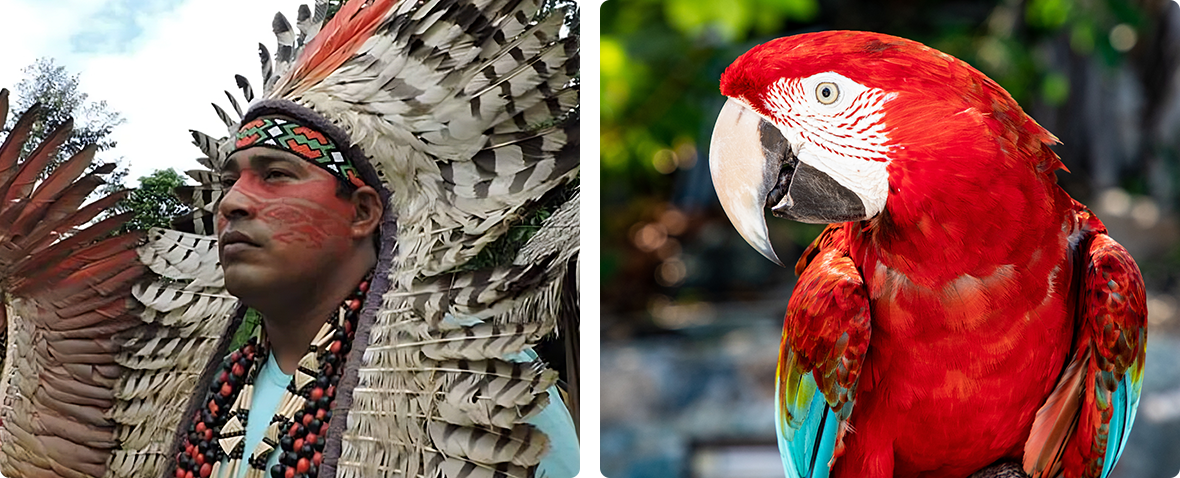
The Shawãdawa have a long history contributing to the diversity and complexity of indigenous traditions across the Amazon. The name “Shawãdawa” combines “Shawã” (Macaw) and “Dawa” (Family), reflecting the Shawãdawa tribe’s deep connection to the natural world. Other names associated with their community include Araranás (from the Portuguese “Arara,” meaning Macaw), Xawanáua, Ararapina, and Tachinauás. The Shawadawa language belongs to the Pano linguistic group, which extends across Brazil, Peru, and Bolivia.
Despite facing challenges from external exploitation and cultural suppression, the Shawãdawa have been resilient. They are actively working to revive their language, customs, and traditional knowledge, which were at risk of being lost. Their efforts have led to significant progress, including reclaiming rights to expand their territory, ensuring that their cultural heritage continues to thrive.
Shawãdawa Hapé: A Sacred Tradition
In the Shawãdawa culture, rapé is known as Rupusuty. This sacred shamanic snuff is deeply embedded in spiritual practices, representing both a medicinal and a ceremonial tradition. Rupusuty is associated with the study of medicinal plants that, in traditional belief, provide spiritual strength and support for physical wellbeing.
The practice of preparing and using rapé is sacred, requiring deep respect and knowledge of its production process, including the associated rituals and diets. This tradition is passed down through generations, ensuring that the knowledge and practices of the Shawãdawa people remain alive and vibrant.
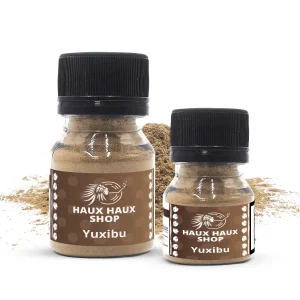
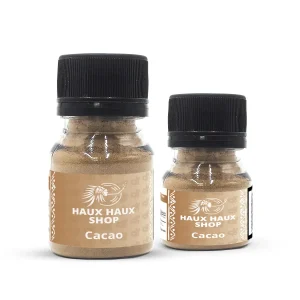
Traditional Shawãdawa hapé is prepared using Nicotiana rustica (mapacho tobacco) combined with sacred plant ashes and botanicals known to Shawãdawa medicine makers. Each blend reflects the Shawãdawa tribe’s relationship with the forest and their understanding of plant spirits.
Our collection features authentic Shawãdawa rapé varieties, including:
- Spiritual: A traditional blend used in ceremonial contexts for spiritual connection and alignment
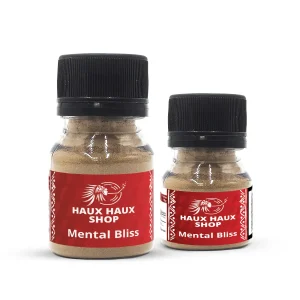
- Mental Bliss: Crafted to support mental clarity and focused presence during meditation and prayer
Alongside hapé, the Shawãdawa people also use Sinbu (Ayahuasca) in their spiritual ceremonies, reinforcing their connection to the sacred medicines of the forest. For comprehensive information on Amazonian rapé traditions, read our guide: What is Rapé?
Using Shawãdawa Hapé
Shawãdawa rapé is administered using traditional applicator tools. A kuripe is a V-shaped self-application tool ideal for personal spiritual practice, allowing you to administer hapé independently during meditation or prayer. For ceremonial contexts, a tepi (straight partner-application tool) creates sacred exchange when one person administers the medicine to another.
The Shawãdawa tradition emphasizes respectful, intentional use of their sacred medicines. When working with hapé, practitioners set clear intention, create sacred space, and approach the medicine with the reverence it deserves as part of an ancient spiritual lineage.
Preserving Tradition and Culture
The Shawãdawa are dedicated to preserving their traditions and cultural practices. Their efforts to reclaim their language, rituals, and ancestral knowledge are part of a broader mission to maintain their identity and ensure that their wisdom continues to be passed down to future generations. The Shawãdawa spiritual heritage is evident in the careful stewardship of their lands and the sacred medicines they use.
When you choose authentic shawãdawa rapé from Haux Haux Shop, you directly support the Shawãdawa community’s efforts to protect their territories, maintain their cultural practices, and pass their traditional knowledge to future generations.
Authentic Shawãdawa Hapé from Haux Haux Shop
At Haux Haux Shop, we source hape directly from the Shawãdawa community, ensuring authenticity and fair compensation. Our Shawãdawa rapé is ethically and sustainably produced, respecting the cultural heritage it represents. Each blend carries the traditional preparation methods and spiritual intention of Shawãdawa medicine makers.
We believe in making these transformative medicines accessible while honoring the indigenous communities who maintain these ancient practices. When you purchase hapé, you’re engaging with centuries of accumulated plant wisdom and supporting the guardians of the forest who protect both the land and the knowledge.
Frequently Asked Questions
Who are the Shawãdawa people?
The Shawãdawa, known as the Macaw Family, are an indigenous tribe from the upper Juruá River region in Brazil. They speak a Pano language and are dedicated to protecting their ancestral lands and cultural traditions, including their sacred medicine practices.
What is Shawãdawa hapé?
Shawãdawa hapé (also spelled “rapé”) is traditional sacred snuff prepared by the Shawãdawa people, known in their language as Rupusuty. It’s made from Nicotiana rustica tobacco and sacred plant ashes, used ceremonially for spiritual connection and traditional wellness practices.
What makes Shawãdawa hapé unique?
Shawãdawa hapé reflects the unique botanical knowledge and spiritual practices of the Macaw Family. Each blend is prepared using traditional Shawãdawa methods with specific plant combinations known to their medicine makers, carrying the distinct spiritual intention of their ceremonial tradition.
Is Shawãdawa hapé suitable for beginners?
Shawãdawa rapé varies by blend. Some are more accessible while others are stronger. Like all traditional rapé, it contains potent Nicotiana rustica and should be approached with respect. Beginners should start with small amounts and ideally work with experienced practitioners familiar with proper use.
What do people mean by Shawãdawa spiritual use (traditional context)?
In the traditional Shawãdawa context, their rapé (Rupusuty) is used ceremonially for spiritual strength, connection to plant spirits, and alignment during rituals. The Shawãdawa view their sacred medicines as tools for maintaining spiritual wellbeing and deepening their relationship with ancestral wisdom and the forest.
How should Shawãdawa hapé be stored?
Store hapé in an airtight glass container in a cool, dry place away from sunlight and moisture. Proper storage maintains potency and aroma for 12-24+ months. Many practitioners keep their rapé in sacred space to honor the Shawãdawa tradition.