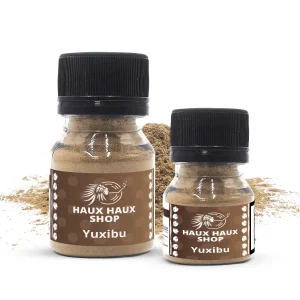
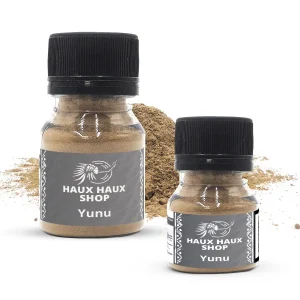
Showing all 6 results
Showing all 6 results
Who Are the Kuntanawa?
The Kuntanawa are an indigenous tribe residing in the State of Acre, Brazil. Their primary settlements are in the Kuntamanã and 7 Stars villages located along the Tejo River within the Alto Juruá Extractivist Reserve. With a population of approximately 400 individuals, the Kuntanawa tribe maintains a rich cultural heritage rooted in shamanic traditions and deep spiritual practices.
The Kuntanawa language and cosmological beliefs reflect their profound connection to the natural world and celestial realms. Their name, “People of the Stars,” speaks to their spiritual orientation toward cosmic wisdom and their understanding of the interconnectedness between earthly and celestial dimensions.
Like many Amazonian indigenous communities, the Kuntanawa have faced historical challenges, such as displacement, cultural erosion, and threats to their ancestral territories. Despite these pressures, the Kuntanawa tribe has maintained its traditional practices, including its sacred rapé preparation methods, ceremonial rituals, and plant medicine knowledge passed down through generations.
The Kuntanawa’s cultural heritage centers on shamanic traditions, in which plant medicines serve as tools for spiritual communication, healing, and maintaining balance within the community and with the natural world. Their rapé tradition is integral to these spiritual practices and reflects centuries of accumulated botanical knowledge.

Kuntanawa Rapé Tradition
Kuntanawa rapé represents a distinctive tradition within Amazonian sacred snuff practices. The preparation of rapé among the Kuntanawa involves meticulous processes where shamans combine various plants, seeds, and ashes to create blends unique to each recipe and spiritual intention.
Central to Kuntanawa rapé preparation is Nicotiana rustica (mapacho), a powerful tobacco native to the Amazon. This is combined with ashes from sacred trees, ground seeds, and medicinal herbs. Each blend is carefully crafted to maintain the integrity and potency of its components, ensuring it serves its intended spiritual and ceremonial purposes.
The Kuntanawa tribe creates diverse rapé blends, each with distinct botanical profiles and ceremonial applications:
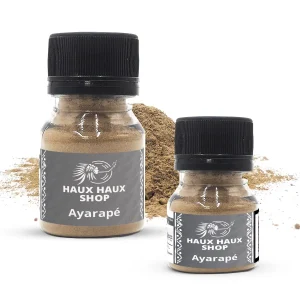
- Ayarapé: Traditionally used for meditation and shamanic practice, supporting deep contemplative states and spiritual focus.
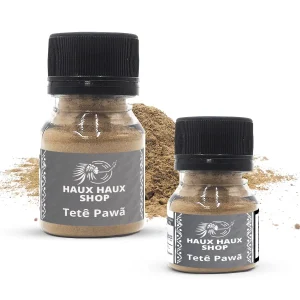
- Tete Pawã: Named for a sacred plant, this blend carries strong grounding and centering qualities.
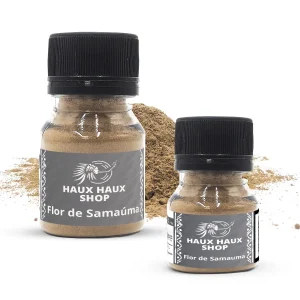
- Flor de Samauma: Made with flowers from the sacred Samauma tree (the towering kapok tree revered across Amazonian cultures), this rapé connects practitioners to the tree’s powerful spirit.
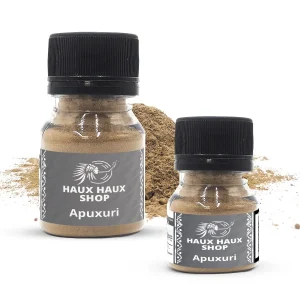
- Apuxuri: A traditional blend reflecting classic Kuntanawa preparation methods and balanced ceremonial effects.
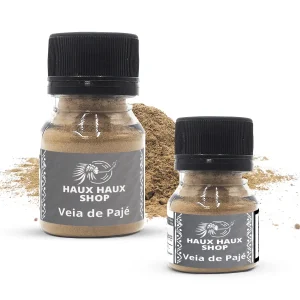
- Veia de Pajé: Named for “Shaman’s Vein,” this blend is associated with shamanic healing work and spiritual guidance.
- Yunu: Designed for energy renewal and revitalization in ceremonial contexts.
The administration of Kuntanawa rapé is a sacred ritual. It is typically applied through the nose using a tepi for partner application in group ceremonial settings, or a kuripe for self-administration in personal practice. This method is believed to heighten spiritual and ceremonial effects, aligning the practitioner’s energy and facilitating a deeper connection with the spiritual realm.
For comprehensive information on rapé traditions, visit our guide: What is Rapé?

Characteristics of Kuntanawa Rapé
Kuntanawa rapé is known for specific characteristics that practitioners commonly describe:
- Grounding and centering: Many people report that Kuntanawa hapé provides strong grounding effects, helping to anchor awareness in the present moment and create centered presence. This quality makes it popular for meditation, prayer, and ceremonial preparation.
- Mental clarity and focus: Practitioners often describe enhanced clarity and sharpened focus after using Kuntanawa rapé. This effect is valued in spiritual work, shamanic journeying, and practices requiring sustained attention.
- Variety across blends: The diverse Kuntanawa rapé blends offer different experiences. Some are described as more gentle and meditative (like Ayarapé), while others are characterized as stronger and more grounding (like Tete Pawã). This variety allows practitioners to choose blends aligned with specific intentions.
- Sacred tree connections: Blends incorporating ashes from sacred trees like Samauma carry the energetic signatures of those powerful plants, creating distinct aromatic and experiential profiles.
- Traditional preparation quality: Each Kuntanawa rapé is prepared using traditional methods by Kuntanawa shamans and medicine makers, ensuring authenticity and maintaining the spiritual integrity of the practice.
- Physical sensations: Like all rapé blends, Kuntanawa varieties typically produce immediate physical sensations, including clearing of the sinuses, brief burning or tingling, increased presence, and sometimes purging or release. These are part of the ceremonial experience and are viewed as the medicine working to clear blockages.
- Potency: Kuntanawa rapé varieties range from moderate to strong in potency, depending on the specific blend and preparation. The use of Nicotiana rustica creates powerful ceremonial medicine that should be approached with respect and proper guidance.

Choosing a Rapé Blend
When selecting from our Kuntanawa rapé collection, consider these factors:
- Intention: Choose based on your ceremonial purpose. Ayarapé for meditation and spiritual practice, Veia de Pajé for shamanic work and healing, Flor de Samauma for connecting with sacred tree spirits, Yunu for energetic renewal, or Tete Pawã and Apuxuri for balanced traditional experiences.
- Experience level: If you’re new to rapé, consider starting with Ayarapé or Apuxuri, which practitioners often describe as more accessible while still offering an authentic Kuntanawa experience. More familiar practitioners may explore the full range, including Veia de Pajé and Tete Pawã.
- Aroma preferences: Each Kuntanawa rapé blend has distinct aromatic qualities based on its botanical composition. Flor de Samauma carries the sweet, earthy scent of Samauma flowers, while other blends have more traditional tobacco-forward or medicinal aromas.
- Practice context: Consider whether you’re using rapé for solo meditation (ideal for Ayarapé), group ceremonies (any blend works well with tepi application), healing work (Veia de Pajé), or general spiritual practice (Apuxuri, Tete Pawã).
- Sacred plant connection: If you feel drawn to specific Amazonian plants or trees, choose blends that honor those relationships. Flor de Samauma connects to the mighty kapok tree spirit, while other blends carry different plant allies.
- Cultural appreciation: When you choose Kuntanawa rapé, you’re engaging with the spiritual traditions of the “People of the Stars.” Approach with respect for their culture, knowledge, and the ongoing challenges they face in protecting their lands and practices.
Tools (Kuripe & Tepi)
Kuntanawa rapé requires proper applicator tools for administration:
Kuripe: A V-shaped self-application tool for personal practice. The kuripe allows you to administer Kuntanawa rapé independently, making it ideal for daily spiritual practice, meditation with Ayarapé, or solo ceremonial work. You place one end in your nostril and blow through the other end to deliver the medicine.
Tepi: A straight partner-application tool where one person administers rapé to another. The tepi is traditional in Kuntanawa ceremonial contexts, creating a sacred, energetic exchange between giver and receiver. This method is used in group ceremonies, shamanic healing sessions, and when working with experienced facilitators. The tepi allows for forceful application that can intensify the rapé’s effects and deepen the ceremonial experience.
Many Kuntanawa rapé practitioners maintain both tools, using the kuripe for personal daily practice and the tepi for communal ceremonies and shared spiritual work.
Frequently Asked Questions
What is Kuntanawa rapé, and is it the same as Kuntanawa hapé?
Kuntanawa rapé is the same as Kuntanawa hapé: “rapé” and “hapé” are different spellings of the same word, varying by transliteration and regional pronunciation. Kuntanawa rapé is a traditional Amazonian sacred snuff prepared by the Kuntanawa tribe using Nicotiana rustica tobacco, sacred tree ashes, and medicinal plants. Each blend reflects shamanic recipes passed down through generations and is used ceremonially for spiritual connection, grounding, and healing.
What makes Kuntanawa rapé unique?
Kuntanawa rapé is known for its grounding and centering effects, diverse blend variety (Ayarapé, Tete Pawã, Flor de Samauma, etc.), and preparation by Kuntanawa shamans using traditional methods. Each blend carries distinct botanical profiles and ceremonial intentions reflecting the “People of the Stars” spiritual traditions.
What do people describe as Kuntanawa rapé effects?
Practitioners commonly describe grounding, mental clarity, enhanced focus, and centered presence. Physical sensations include sinus clearing, brief burning, and increased awareness. Effects vary by blend: Ayarapé is often described as meditative, while Tete Pawã is characterized as more intensely grounding. These are reported experiences, not promised outcomes.
Is Kuntanawa rapé suitable for beginners?
Some Kuntanawa blends like Ayarapé and Apuxuri are often recommended for beginners due to their more accessible nature while maintaining authentic tradition. However, all Kuntanawa rapé is potent sacred medicine containing Nicotiana rustica. Beginners should start with small amounts and ideally work with experienced practitioners.
How should Kuntanawa rapé be stored?
Store Kuntanawa rapé in an airtight glass container in a cool, dry place away from sunlight and moisture. Proper storage maintains potency, aroma, and the integrity of sacred plant ingredients for 12-24+ months. Many practitioners keep their rapé in sacred space to honor the Kuntanawa tradition.