Showing all 25 results








Showing all 25 results
What Are Shamanic Tools?
Shamanic tools are sacred instruments used in traditional indigenous ceremonies and spiritual practices. These ceremonial tools have been integral to Amazonian indigenous cultures for thousands of years, serving as vessels for administering sacred plant medicines and facilitating deep spiritual connections.
In the context of rapé (hapé) ceremonies, shamanic tools refer specifically to the applicators used to administer this sacred tobacco snuff. These traditional applicators, known as kuripe and tepi, are not merely functional objects but are considered spiritual journey tools that carry the intention and reverence of the ceremony itself.

Kuripe and Tepi Explained
The two primary types of rapé applicators each serve distinct purposes in ceremonial practice. Understanding the difference between these kuripe and tepi tools will help you choose the right instrument for your spiritual practice.
What is a Kuripe?
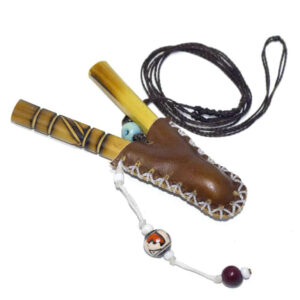
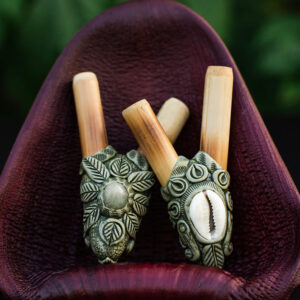
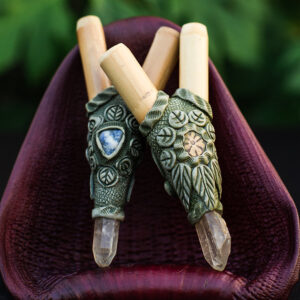
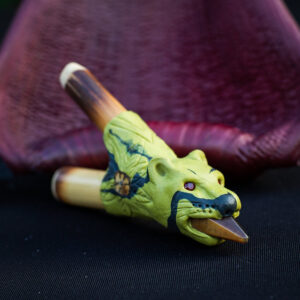
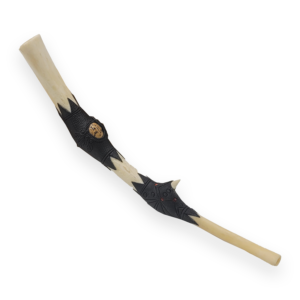
A kuripe is a V-shaped self-application tool designed for personal ceremonial use. This traditional applicator allows you to administer rapé to yourself independently, making it ideal for solo meditation, daily spiritual practice, or personal healing rituals.
The kuripe typically features two connected tubes: one end is placed in your nostril while you blow into the other end, allowing you to control the intensity and timing of the application. This self-directed approach offers a deeply personal experience, empowering practitioners to connect with the medicine on their own terms.
What is a Tepi?
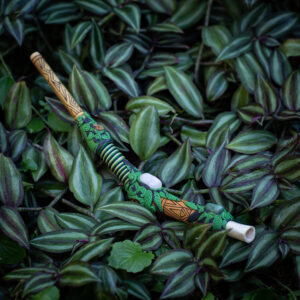
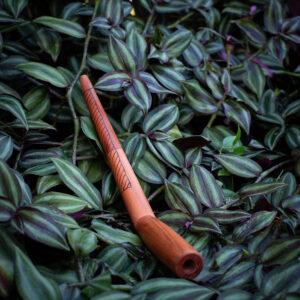
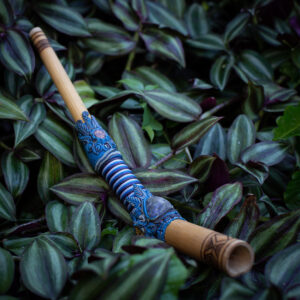
A tepi is a straight, longer applicator designed for partner-assisted application. This ceremonial tool requires two people: one to administer and one to receive the medicine. The person administering places one end of the tepi in the receiver’s nostril and blows forcefully through the other end.
The tepi represents the sacred exchange between giver and receiver, creating a profound energetic connection. This traditional method is often used in group ceremonies, shamanic sessions, or when working with experienced practitioners who can calibrate the strength and intention of the application.
Kuripe vs Tepi: Which to Choose?
Choosing between a kuripe and tepi depends on your ceremonial practice and intentions:
Choose a kuripe if you:
- Practice solo meditation or personal ceremonies
- Prefer autonomy in your spiritual journey
- Want to control the intensity and pace of application
- Are building a daily or regular practice
- Travel frequently and need a portable option
Choose a tepi if you:
- Participate in group ceremonies or circles
- Work with a facilitator, shaman, or ceremony partner
- Value the energetic exchange of partner application
- Are exploring deeper ceremonial experiences
- Want to serve others in their spiritual practice
Many practitioners eventually acquire both types of shamanic tools, using the kuripe for personal practice and the tepi for ceremonial gatherings and shared experiences.

Materials & Craftsmanship
Our kuripe and tepi tools are handcrafted by indigenous artisans from the Kuntanawa, Nukini, Apurinã, and Shawãdawa tribes of the Amazon rainforest. These master craftspeople use traditional techniques passed down through generations, ensuring each piece carries authentic cultural significance.
The materials used vary by tribal tradition and available resources, but commonly include sustainable hardwoods, bamboo, bone, and other natural elements sourced respectfully from the rainforest. Many pieces feature intricate Kenê designs, which are sacred geometric patterns that hold spiritual meaning within Amazonian cosmology.
Each tool is unique, reflecting the artisan’s individual style and the spiritual intention imbued during creation. By choosing these traditionally handmade applicators, you directly support indigenous communities, fair trade practices, and rainforest conservation efforts.
Pairing Tools with Rapé
Shamanic tools and rapé work in sacred partnership. The quality of your ceremonial tools enhances your experience with this ancient plant medicine, creating a ritual that honors indigenous traditions.
Our rapé collection offers a diverse selection of tribal blends, each crafted for specific intentions, from grounding and clarity to spiritual connection and energetic cleansing. Different tribes have their own unique rapé recipes, combining Nicotiana rustica tobacco with sacred plants, ashes, and seeds.
If you’re new to this practice, we recommend reading our comprehensive guide: What is Rapé? This resource explains the history, cultural significance, preparation methods, and respectful use of this sacred medicine.
Together, the right applicator and the right rapé blend create a complete ceremonial experience that connects you to ancient Amazonian wisdom.
Explore Our Collection
Shop Kuripe Applicators – Browse our selection of handcrafted self-application tools for personal ceremony and meditation.
Shop Tepi Applicators – Find traditionally crafted partner-application tools for group ceremonies and shared spiritual experiences.
The Sacred Art of Kenê
When a Kenê—a traditional pattern or design—is imprinted onto an object, body, or ritual item, each image carries its own unique significance. Kenê designs are used in various forms, including body painting, on everyday objects, and during ritual occasions. These patterns are much more than decorative; they are a sacred language that embodies the history, memory, and art of the indigenous peoples. Each Kenê connects the wearer or user to the beings of the forest, invoking the ancestral force and summoning courage, strength, power, and wisdom.
A Living Connection to Ancestral Wisdom
The creation and use of Kenê patterns represent a profound connection to the forest and its beings, serving as a bridge between the present and the ancestral past. These designs are a form of visual communication, conveying the stories, beliefs, and values of the community. Through the use of Kenê, indigenous peoples maintain a living connection to their heritage, ensuring that the wisdom of their ancestors continues to guide them.
Artistic and Cultural Heritage
Kenê designs are a vital part of the artistic and cultural heritage of indigenous communities. They offer a unique way of observing, experiencing, and understanding the world, reflecting a deep connection to nature and the spiritual realm. This artistic tradition is not static; it is a living, evolving practice that adapts to the present while honoring the past. Through their handicrafts, indigenous artists continue to express the rich cultural identity of their people, creating a meaningful exchange between the old and the new.
The Role of Handicrafts in Cultural Preservation
Handicrafts like the Tepi and Kuripe are more than just tools; they are symbols of cultural resilience and continuity. By crafting and using these items, indigenous communities actively preserve their traditions and pass them on to future generations. These tools are essential for performing sacred rituals, connecting the user to the spiritual forces of the forest, and maintaining the cultural practices that define their identity.
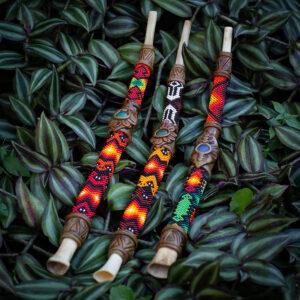
The Tepi, a long applicator often carved from wood or bone, is used for administering rapé in a ceremonial context, allowing one person to blow the sacred snuff into another’s nostrils. The Kuripe, on the other hand, is a personal applicator shaped for self-administration. Both Tepi and Kuripe embody intricate craftsmanship and bear Kenê designs, enhancing their spiritual significance. These tools connect the user directly to the forest’s essence and facilitate the rapé ritual, which is seen as a sacred practice for aligning the spirit, mind, and body.
The use of Tepi and Kuripe is steeped in tradition, as they serve as conduits for ancestral wisdom. Through these tools, the ceremonial use of rapé becomes a transformative practice, reinforcing the bond between the user and the spiritual forces of nature. The process of applying rapé is considered a sacred act, often accompanied by prayers and chants that invoke the protective and guiding spirits of the forest. The design and craftsmanship of the Tepi and Kuripe further emphasize their role as more than just functional items but as sacred artifacts that carry the energy and blessings of the ancestors.
These tools, adorned with Kenê, play a crucial role in maintaining the cultural practices that define indigenous identity. The making of Tepi and Kuripe involves traditional techniques passed down through generations, preserving not only the physical form of these items but also the cultural stories and meanings embedded in their creation. Each design etched onto the surface of a Tepi or Kuripe is a testament to the community’s dedication to sustaining their heritage and spirituality.
Conclusion: The Importance of Handicrafts and Kenê in Indigenous Culture
The creation and use of handicrafts and Kenê designs are of extreme importance to indigenous communities. These practices not only serve functional purposes but also play a crucial role in the preservation of cultural and spiritual traditions. Through the intricate designs of Kenê and the crafting of tools like the Tepi and Kuripe, indigenous peoples keep their heritage alive, honoring their ancestors while adapting to the present. The Tepi and Kuripe embody the sacred practice of using rapé as a means to align with the spiritual forces of the forest, reinforcing a profound connection to the earth and its energies. This cultural exchange between the past and the present is essential for maintaining the richness and diversity of indigenous traditions.
Frequently Asked Questions
What are kuripe and tepi used for?
Kuripe and tepi are applicators for administering rapé, a traditional Amazonian plant medicine. The kuripe is V-shaped for self-application, while the tepi is straight and used by one person to administer rapé to another.
What’s the difference between kuripe and tepi?
A kuripe is for self-administration, giving you control over personal practice. A tepi requires two people, creating a sacred exchange used in group ceremonies. The kuripe is V-shaped and compact; the tepi is longer and straight.
Are kuripe and tepi traditionally handmade?
Yes, authentic tools are handcrafted by indigenous artisans using traditional methods. Our collection features pieces made by the Kuntanawa, Nukini, Apurinã, and Shawãdawa tribes using sustainable materials like hardwood and bamboo, often adorned with sacred Kenê designs.
How do I choose the right applicator tool?
Choose a kuripe if you practice alone or prefer autonomy. Choose a tepi if you participate in group ceremonies or work with a facilitator. Many practitioners eventually purchase both for different ceremonial contexts.
Can I buy rapé tools online?
Yes, you can purchase authentic, handmade kuripe and tepi tools through our shop. We work directly with indigenous Amazonian tribes, ensuring fair trade practices. Each purchase supports the artisans, their communities, and rainforest conservation.
How do I care for and store these tools?
After each use, blow through your tool to remove residual rapé. Periodically, use a small brush to clear the channels. Store in a dry, respectful space, and wrap each tool in natural fabric or a ceremonial pouch. Some practitioners energetically cleanse with sacred smoke or moonlight.