Showing all 14 results


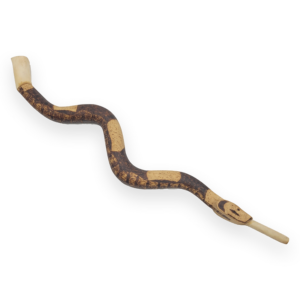
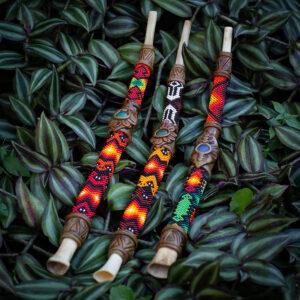

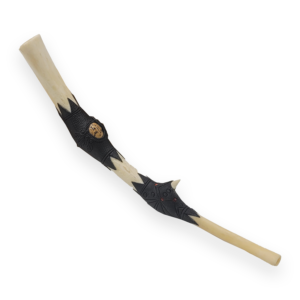
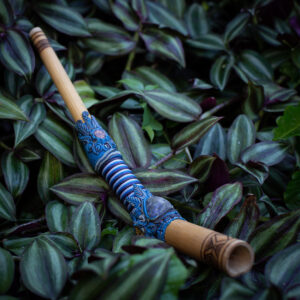
Showing all 14 results
What Is a Tepi?
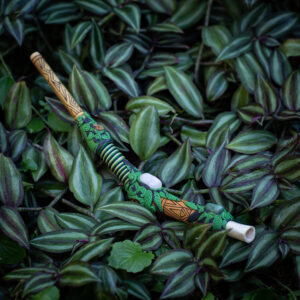
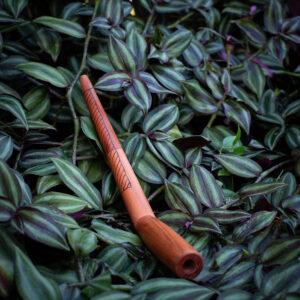
A tepi is a traditional ceremonial applicator used to administer rapé (sacred Amazonian snuff) to another person. Unlike self-application tools, the tepi for rapé facilitates a sacred exchange between two people: one who administers the medicine and one who receives it.
Tepi Pipe and Tepi Applicator Explained
The terms “tepi pipe” and “tepi applicator” refer to the same sacred tool. Historically, indigenous tribes used long bamboo or reed pipes for rapé administration. Modern tepi pipes have evolved to be more compact while maintaining their ceremonial power. Whether crafted from bamboo, wood, bone, or metal, each tepi applicator tool delivers rapé in a controlled, intentional manner that honors the sacred nature of the ceremony.

Tepi vs Kuripe
Tepi: Partner-assisted, straight design, ideal for ceremonies and facilitated sessions, creates energetic exchange between giver and receiver.
Kuripe: Self-application, V-shaped, compact, ideal for solo practice and meditation, user maintains full autonomy.
The tepi is the traditional choice for ceremonial gatherings and shamanic sessions. The kuripe is preferred for daily spiritual practice. Many practitioners use both: tepi for ceremonies, kuripe for personal work. Browse our complete shamanic tools collection.

How Tepi Is Used Traditionally
In traditional Amazonian ceremonies, the administrator, often a shaman or experienced practitioner, loads the tepi pipe with rapé based on the ceremony’s intention. The receiver prepares by centering themselves and setting an intention. The administrator places one end of the tepi in the receiver’s nostril and delivers the rapé with a forceful blow. This is repeated for the second nostril.
The force varies according to ceremonial context: stronger applications for deep healing work, gentler blows for meditation and grounding. After receiving rapé, participants sit in stillness, allowing the medicine to work. The shared nature of tepi application strengthens bonds and deepens the ceremonial experience.
For those new to these practices, read our guide: What is Rapé?
The Art of Using a Tepi
Using a tepi is a ritualistic process requiring care and intention:
- Loading: The giver loads the tepi with the appropriate amount of rapé powder based on the strength and intention.
- Preparing: The receiver tilts their head back and the giver places one end of the tepi into their nostril.
- Administering: The giver blows the rapé through the tepi; stronger blows deliver intense experiences, gentler blows provide milder effects. This is repeated for the other nostril.
- Aftercare: Both participants breathe, reflect, and connect with the medicine’s effects. The tepi should be cleaned after use.
Exploring Different Models of Tepi Applicators
Traditional tepi pipes come in various materials, each offering unique energetic properties:
- Bamboo Tepi: Lightweight, durable, traditional, offers a natural connection to earth
- Wooden Tepi: Hand-carved from sustainable hardwoods like Palo Santo or Muiracatiara, often features sacred Kenê carvings
- Bone Tepi: Made from buffalo, deer, or goat bones, carries deep spiritual significance and connection to animal spirits
- Metal Tepi: Modern, durable, easy to clean; crafted from stainless steel, brass, or copper
The Evolution of Tepi Design
Indigenous people traditionally used long bamboo or reed tubes for rapé administration. Today, tepis are often shorter and more practical while retaining their powerful ceremonial function. The choice of mouthpiece affects the experience: more open allows for stronger blows, narrower provides gentler applications. Like the kuripe, there is no universal formula. Each person must explore what works best for them.
Choosing a Tepi
Length: Traditional tepi pipes range from 6 to 12+ inches. Longer tepis provide distance between participants; shorter designs offer precision.
Materials: Choose bamboo for traditional lightness, wood for grounding energy, bone for spiritual connection, or metal for durability.
Craftsmanship: Our tepi applicators are handcrafted by indigenous artisans from the Kuntanawa, Nukini, Apurinã, and Shawãdawa tribes. Each piece features traditional techniques and sacred geometric patterns.
Shop Tepi
Our collection features authentic, traditionally handcrafted tepi applicators made by indigenous Amazonian artisans. Each traditional tepi pipe supports fair trade practices, indigenous livelihoods, and rainforest conservation.
Browse our complete selection below to find the perfect tepi applicator for your needs.
Frequently Asked Questions
What is a tepi?
A tepi is a traditional Amazonian tool used to administer rapé to another person. It’s a straight pipe that allows one person to blow rapé into another’s nostrils in sacred ceremonies.
What is a tepi applicator?
A tepi applicator is another term for the tepi pipe, the ceremonial tool used for partner-assisted rapé administration.
Is a tepi the same as a tepi pipe?
Yes, “tepi” and “tepi pipe” refer to the same ceremonial tool used for administering rapé in traditional indigenous ceremonies.
What’s the difference between tepi and kuripe?
A tepi requires two people and is straight, used for partner application in ceremonies. A kuripe is V-shaped for self-application in solo practice.
Who traditionally uses a tepi?
Indigenous Amazonian tribes, including the Kuntanawa, Nukini, Apurinã, and Shawãdawa, traditionally use tepis. Shamans and experienced practitioners typically administer rapé in ceremonies.
What materials are tepi applicators made from?
Traditional tepi pipes are crafted from bamboo, hardwoods, bone, and metal. Our tepis are handmade by indigenous artisans using materials sustainably sourced from the Amazon rainforest.
How do I care for a tepi?
Blow through your tepi after each use to clear residual rapé. Periodically clean with a small brush. Store in a dry place wrapped in natural fabric. Some practitioners cleanse with sacred smoke.